Xin Ge: China’s economic trajectory over the next five years is set to be guided not only by technological ambition and industrial growth but also by finance playing a central, strategic role. The Fourth Plenary Session of the 20th Communist Party of China (CPC) Central Committee laid the groundwork for the 15th Five-Year Plan (2026–2030), emphasizing high-quality development, technological self-reliance, and national security as interlinked priorities. Finance, according to the latest guidance, is expected to evolve beyond mere funding—it is poised to act as a strategic backbone for industrial upgrading, innovation, and global competitiveness.
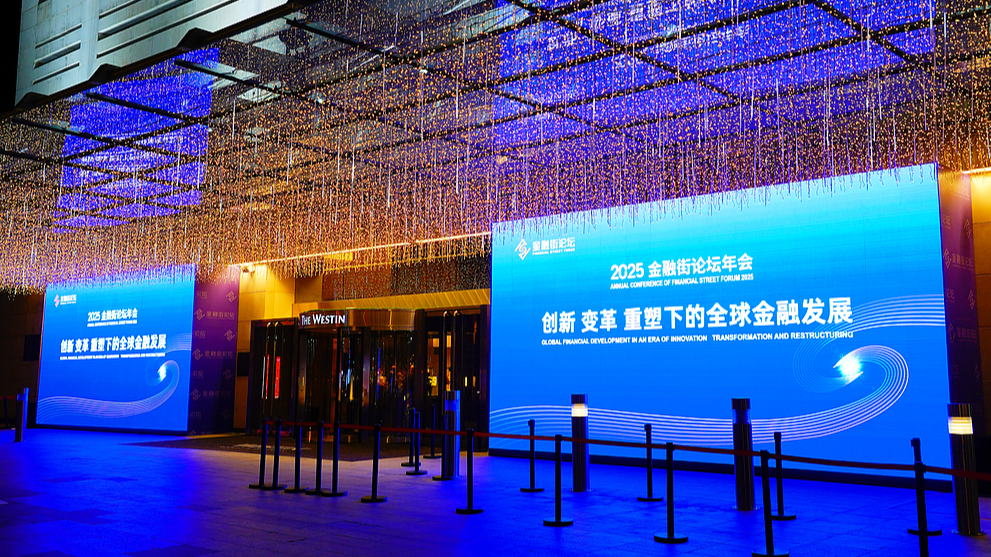
As Beijing prepares for the 2025 Financial Street Forum, opening on October 27 under the theme “Global Financial Development in an Era of Innovation, Transformation, and Restructuring,” the dialogue emphasizes international collaboration, market resilience, and inclusivity. The forum complements the post-plenary vision by highlighting the importance of financial innovation, targeted reform, and integrated policy frameworks that align domestic economic priorities with global financial stability.
For the next five years, finance in China is set to operate on three strategic fronts: evolving market infrastructure, supporting national priorities, and deepening openness in financial markets. These priorities are not only financial but also institutional and operational, aiming to strengthen the real economy, enhance risk management, and mobilize long-term capital for strategic industries.
Evolving Market Infrastructure: From Credit Provision to Risk Sharing
A key goal of the 15th Five-Year Plan is to transform China’s financial markets from primarily credit-based systems to mechanisms that facilitate risk sharing and price discovery. The plan underscores the need to modernize industrial systems and strengthen the real economy, placing capital markets at the center of financing long-cycle, high-variance innovation.
This transition involves:
- Raising the share of direct financing such as equity, bonds, and asset-backed instruments.
- Improving transparency and disclosure standards to accurately value intangible assets like intellectual property, data, and R&D capacity.
- Enhancing governance frameworks to ensure investor protection and mitigate misallocation risks.
These measures are expected to reduce the cost of capital for technology and innovation-driven firms, facilitating sustainable, high-quality growth.
Finance as a Tool for National Strategic Priorities
Since the 2023 Central Financial Work Conference, policymakers have emphasized five key areas where finance should strategically allocate resources:
- Technology Finance – supporting innovation and commercialization of new technologies.
- Green Finance – funding climate transition and sustainable energy projects.
- Inclusive Finance – broadening access to financial services for small businesses and underbanked populations.
- Pension Finance – mobilizing long-term capital to address demographic challenges.
- Digital Finance – leveraging data-driven underwriting and digital platforms for secure, efficient financial services.
These sectors are considered the backbone of China’s resource allocation strategy, with instruments and institutions designed to mobilize patient, long-term capital toward industrial upgrading, digital infrastructure, and climate resilience.
Read about: IFSCA Proposes Differential Distribution in Funds to Boost Blended Finance in GIFT City
Deepening Financial Openness: Shaping Global Markets
China’s approach to openness is shifting from participation to strategic shaping. Key initiatives include:
- Payment Connect – linking the Mainland’s Internet Banking Payment System (IBPS) with Hong Kong’s Faster Payment System (FPS) to enable real-time cross-boundary payments.
- Offshore RMB Repo Market Enhancements – supporting collateral rehypothecation, cross-currency repos, and participation by northbound Bond Connect investors.
These measures aim to expand RMB liquidity, improve risk-management tools, and reinforce Hong Kong’s role as a bridge for two-way capital flows. Such steps facilitate the internationalization of the RMB through practical usage rather than headline liberalization alone.
Ensuring Financial Stability: A Non-Negotiable Foundation
Stability remains central to the 15th Five-Year Plan. The Fourth Plenum emphasized:
- Balanced development and security through unified and comprehensive financial supervision.
- Early-warning mechanisms to identify and address vulnerabilities in smaller financial institutions, local government financing vehicles, and segments of the property market.
- Maintaining RMB stability at reasonable and balanced levels through credible policy tools.
This approach ensures that ambitious reforms and market evolution occur without triggering systemic risks.
Practical Implications for 2026–2030
- Building Deeper Markets – Prioritizing direct financing instruments and professional intermediaries to reduce capital costs for innovative firms.
- Scaling Patient Capital – Deploying specialized venture funds, long-term bonds, and revenue-sharing instruments to support high-risk, high-reward projects.
- Upgrading Openness Toolkits – Enhancing cross-border payments, expanding eligible collateral, and improving liquidity backstops to organically internationalize the RMB.
- Proactive Policy Measures – Advancing regulatory unification, stress testing, and transparent local debt monitoring to prevent localized issues from becoming systemic.
These steps aim to align finance with broader national priorities, fostering technological self-reliance, industrial modernization, and resilient institutions.
Conclusion
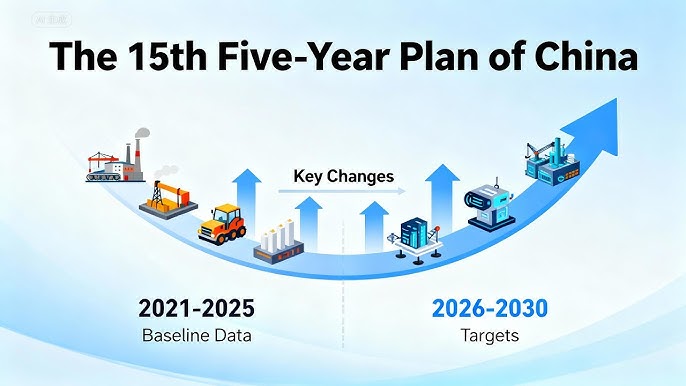
The 15th Five-Year Plan positions finance as a strategic spine for China’s modernization efforts from 2026 to 2030. By deepening markets, directing patient capital to priority sectors, upgrading openness, and reinforcing stability, China seeks to ensure that its financial system supports high-quality, innovation-driven growth.
Successful implementation will depend on institutional capacity, market discipline, and governance reforms. Transparent risk pricing, reliable capital allocation, and incremental internationalization of the RMB are key indicators of progress.
The Financial Street Forum and subsequent policy guidance provide platforms for translating high-level planning into actionable strategies. If executed effectively, finance will not only fund growth but also serve as a mechanism for national resilience, technological advancement, and global engagement.
Ultimately, the next five years will test whether China can match institution-building with ambition, balancing risk, innovation, and stability while positioning its financial system as a pillar of modernization.
Also read: Atrial Cardiomyopathy Raises Stroke and Heart Risk: Insights from the UK Biobank Study
FAQs of Xin Ge
1. What role does finance play in China’s 15th Five-Year Plan?
Finance is positioned as a strategic backbone for national development. Beyond funding growth, it is expected to enable technological innovation, industrial upgrading, and global competitiveness by improving market infrastructure, allocating patient capital to priority sectors, and supporting financial stability.
2. How will the financial system support national strategies?
The system will channel resources into five key areas: technology, green, inclusive, pension, and digital finance. This ensures that long-term capital flows into projects critical for industrial upgrading, climate transition, and demographic resilience, while enhancing access to financial services for small businesses and underserved populations.
3. What initiatives are enhancing China’s financial openness?
Key initiatives include Payment Connect, which enables real-time cross-boundary payments between Mainland China and Hong Kong, and improvements to the offshore RMB repo market. These tools increase liquidity, facilitate cross-currency transactions, and strengthen Hong Kong’s role as a bridge for capital flows.
4. Why is financial stability emphasized in the Five-Year Plan?
Stability ensures that reforms and market development occur without triggering systemic risks. Measures include unified supervision, early-warning mechanisms for local debt and small institutions, and tools to maintain RMB stability. Stable finance supports sustainable growth and protects against crises.
5. What is “patient capital,” and why is it important?
Patient capital refers to long-term investments capable of absorbing technology and commercialization risks, such as specialized venture funds, long-term bonds, and co-investment platforms. It is crucial for funding high-variance, long-cycle projects in technology, green energy, and infrastructure, aligning finance with national strategic priorities.


Pingback: US to Remain Top Destination for Global Investment, Finance Executives Say – Texas Headliners